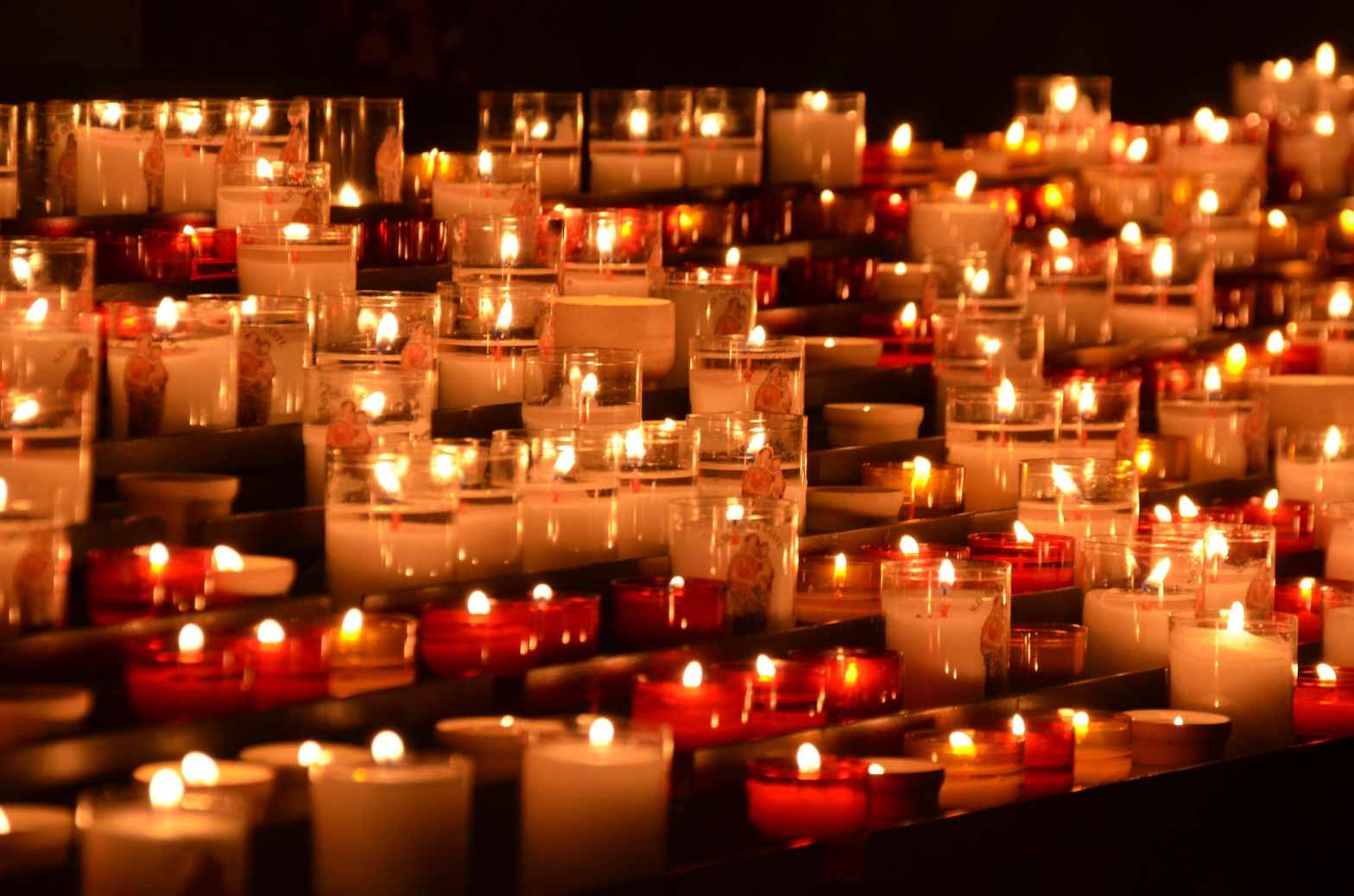
Be a caring person to those who are grieving.
Please be a light to someone grieving. It doesn’t take much.
Here’s what may happen to the bereaved. The loneliness and pain during the first few months may cause them to isolate. Many become addicted to food, alcohol, drugs, spending, suicidal ideation and more. I believe addiction is a search for love, belonging, safety and acceptance—we all need and search for this, but more so for the grief-stricken. The grief-stricken can’t feel this—not for a time. I see this so vividly in the elderly and parents who have lost a child. Holidays are more salt in the wound.
A caring person does not judge but checks in with the bereaved because loneliness is such a hellish part of grief—empty bed, no mealtime banter, songs that rip the heart out—holidays are the worst! My first Christmas after my husband died was bleak, empty and tear-filled. I couldn’t wait for Christmas to end! Sometimes faith is shattered. This is not the time to Bible thump. Your private prayer will work wonders. A hug and a little presence will too.
A caring person builds trust and is safe for the grieving person to unload their tremendous burden. Rational thinking may not be there for some time. It’s another part of the grieving process. They will question everything they did or did not do, as if they could’ve prevented the death. Just reassure.
A caring person may take them to lunch, a movie or bring a homemade meal. Shovel the walk. Walk their dog. Tell them a story about their deceased loved one. They matter. They need to find purpose.
A caring person will not take outbursts of anger personally. A time-out is okay. Anger is part of the grieving process and part of healing, especially in the beginning.
A caring person allows the grief-stricken their own space. Grief is not a “take this, do this, it’s about time to move on” experience. There are no steps to being grief-free. It takes a lot of time and is different for each person. They will never completely get over the loss. It’s part of who they are. They are learning how to have a different relationship with their deceased loved one.
A caring person will check in with a grief counselor, hospice, pastor or someone qualified, should the grief be destroying the grief-stricken. They may be suffering from Complicated Grief or trauma. Listen to the experts and do what they advise.
If your gut tells you they need emergency help, call 911 or a suicide hotline. I’d rather look foolish and bear their anger than lose them.
It’s not easy. If it were, we’d all be a caring person.
 Prayers and Musings of a Black Sheep